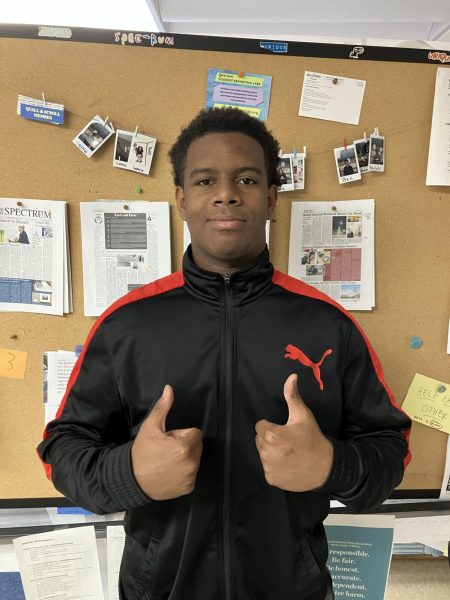
“I grew up with these beliefs,” said Heybe Samatar ’29, reflecting on how religion has shaped his understanding of the world. For many, religion offers a sense of purpose, whether through quiet, personal practice or larger traditions, and continues to influence how people explore life and its meaning. With such a wide range of beliefs comes diversity, but also moments when students feel left out or misunderstood.
“We’re not bombers,” said Samatar. He expressed his frustration with how Muslims are perceived in a predominantly Christian and Western society. Being a religious minority in a school setting can create a sense of isolation, along with a desire for greater understanding among peers. Samatar emphasized the pain of being stereotyped, as well as how he does not believe other school community members do not understand his identity or beliefs.
At the same time, Samatar believes his religion has shaped a hopeful outlook. “I think Islam made me see the world as more of a peaceful place and a place that could always be better,” he said, highlighting how his faith influences his perspective on humanity even in the face of misunderstanding.
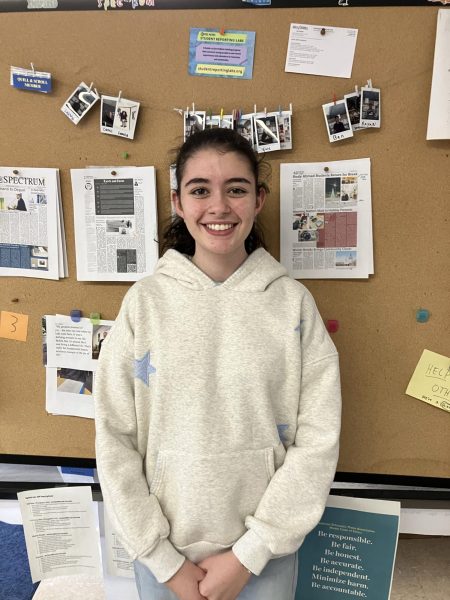
Similarly, for Micah Wagoner ‘27, religion plays a central role in guiding his values and actions. “My morals are centered around my religion and righteousness,” he stated. Like many others, Wagoner finds that his faith provides a clear ethical framework for how he interacts with his community, helping him stay grounded even when his beliefs are questioned or challenged.
While some students grow up with strong religious foundations, others discover their beliefs later in life. Marcelo Mena ‘26 did not grow up in a religious household but found a connection to Catholicism during high school. “Throughout my life, [He] showed me the truth,” Mena said. He now finds deep meaning in traditions such as Holy Week, which he describes as a time when “we get to be at Jesus’ side during his passion,” as new members join the Church through baptism, communion, and the Eucharist. His journey reflects how belief can develop through personal searching, and, at times, uncertainty.
While beliefs can be deeply personal, the experiences of students like Samatar, Wagoner, and Mena show that standing by them is not always easy, especially in the face of misunderstanding, questioning, and uncertainty. Yet these challenges often strengthen personal faith, deepening conviction and shaping how individuals see both themselves and the world around them.