If you think Red 40 is just some harmless food dye that makes your snacks look fun and vibrant, think again. This artificial dye, found in everything from soda to Cheetos to candy, is the chemical equivalent of a Trojan horse. It slips into your body disguised as a snack, but brings with it an array of harmful side effects.

Red 40 is a petroleum-based dye, the same base used for fuel and plastic. The FDA labels it as “safe for consumption,” but only because the long-term health effects are overlooked by vague safety testing, done to validate Red 40 while unleashing a plethora of negative impacts on children around the U.S.
Studies done by the Cleveland Health Clinic have shown that Red 40 can cause hyperactivity in children, allergic reactions, and possible carcinogenic effects. It’s banned and/or restricted in the EU for these reasons. However, in the U.S., it’s added to your fruit punch and “healthy” yogurts.
It’s not just about personal health or changing your diet: Red 40 consumption is complacency, funding a billion-dollar industry that prioritizes profit and product appearance over health and safety. When you buy something with Red 40 in it, you are funding the system that just gave someone cancer.
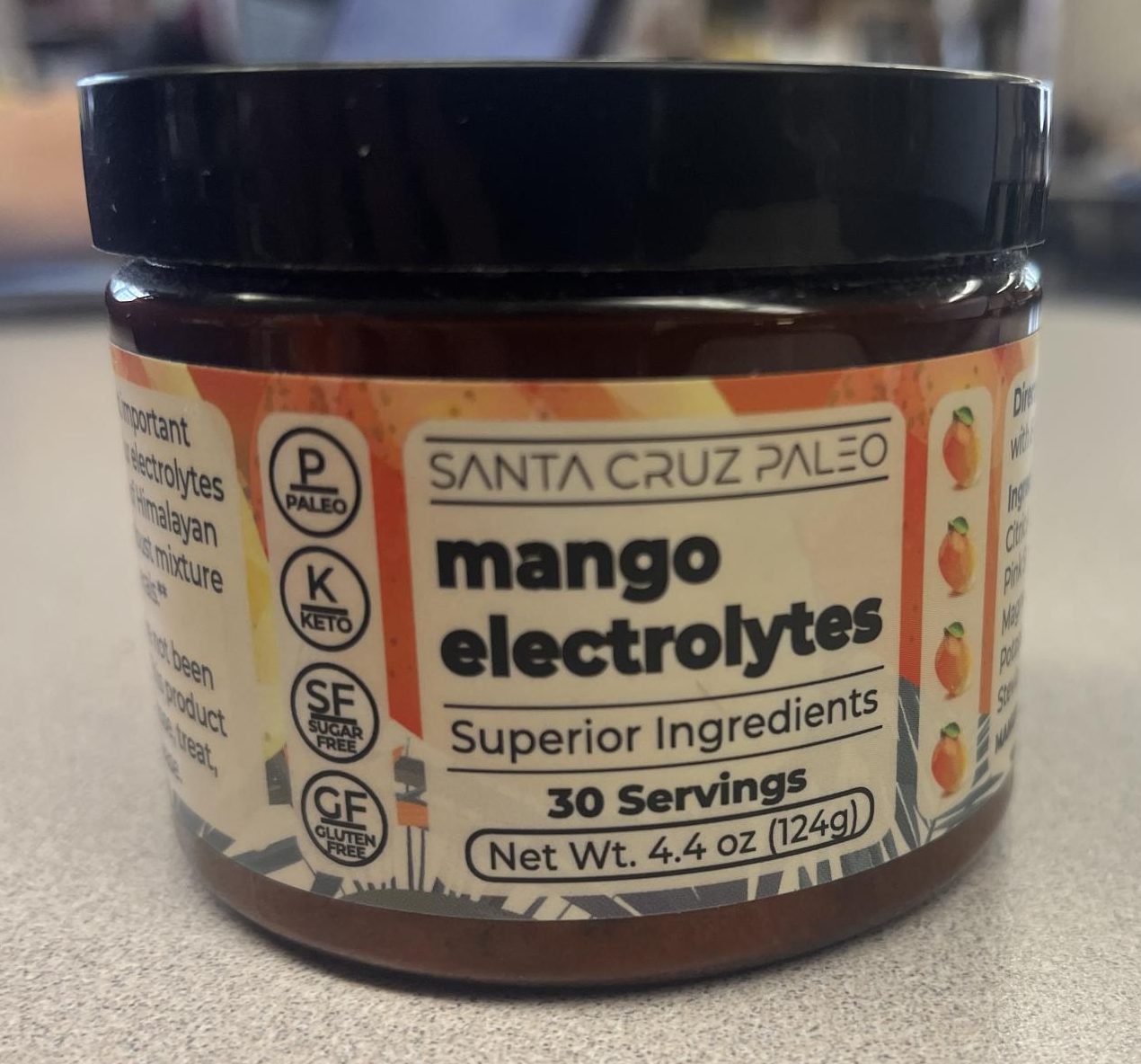
With Red 40 being so widespread and products without it being three times the price of those with it, even in “healthy products,” some people think the dye is unavoidable. But this is simply not true. Affordable, dye-free options exist everywhere once you know where to look. Santa Cruz Paleo, a health company known for its social media content, is an amazing alternative. You can order it online from their website, santacruzpaleo.com, for cheap, supplemental products with single-digit ingredient lists. Additionally, farmers’ markets, local grocery stores, and even major store chains offer lower-cost foods made with dye-free ingredients. Avoiding Red 40 isn’t a matter of money, but a matter of conscience.




![Graphic Artist Wolstencroft shared about her process making this graphic: “I used an app called Procreate. The first thing I did was manually remove the background from all of the [movie] posters [featured in this article]. Then I decided which color scheme I liked best...and I used gradient maps to get the colors to be uniform. I [also] added some extra shading and a background, and it was done.”](https://www.blakespectrum.org/wp-content/uploads/2026/05/0-1200x834.png)