
Silence used to be normal. Now, it feels awkward, heavy, and something we rush to fill.
We experience silence constantly: during group discussions, waiting for class to start, standing in an elevator, and sitting with friends. Instead of letting it exist, we reach for our teacher’s guidance, phones, headphones, or small talk. Silence has become a problem to solve rather than a state to be in.
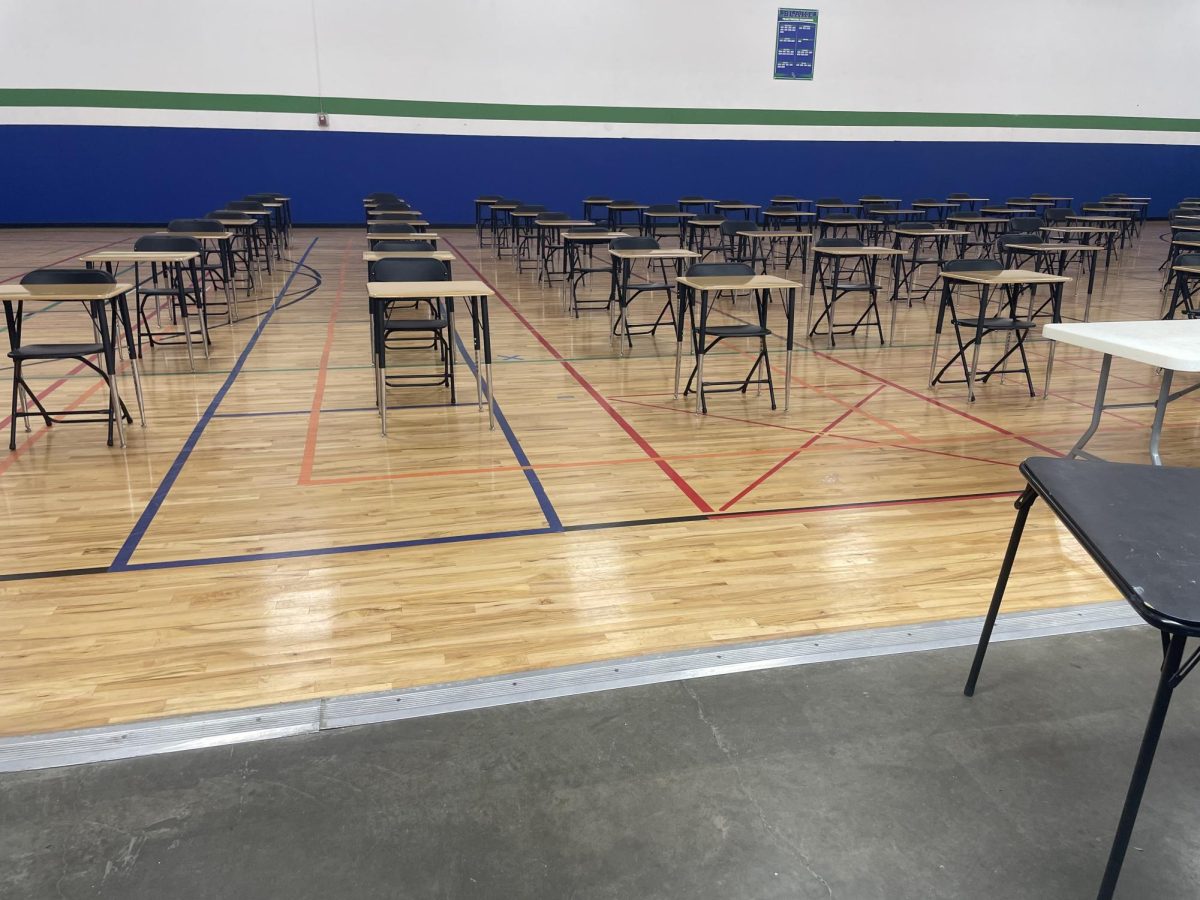
Part of this discomfort stems from how rarely we experience true quiet. Our days are filled with notifications, background noise, music, and constant input. Even when nothing is happening, something is still playing. Because of that, silence feels unfamiliar. When it appears, it stands out.
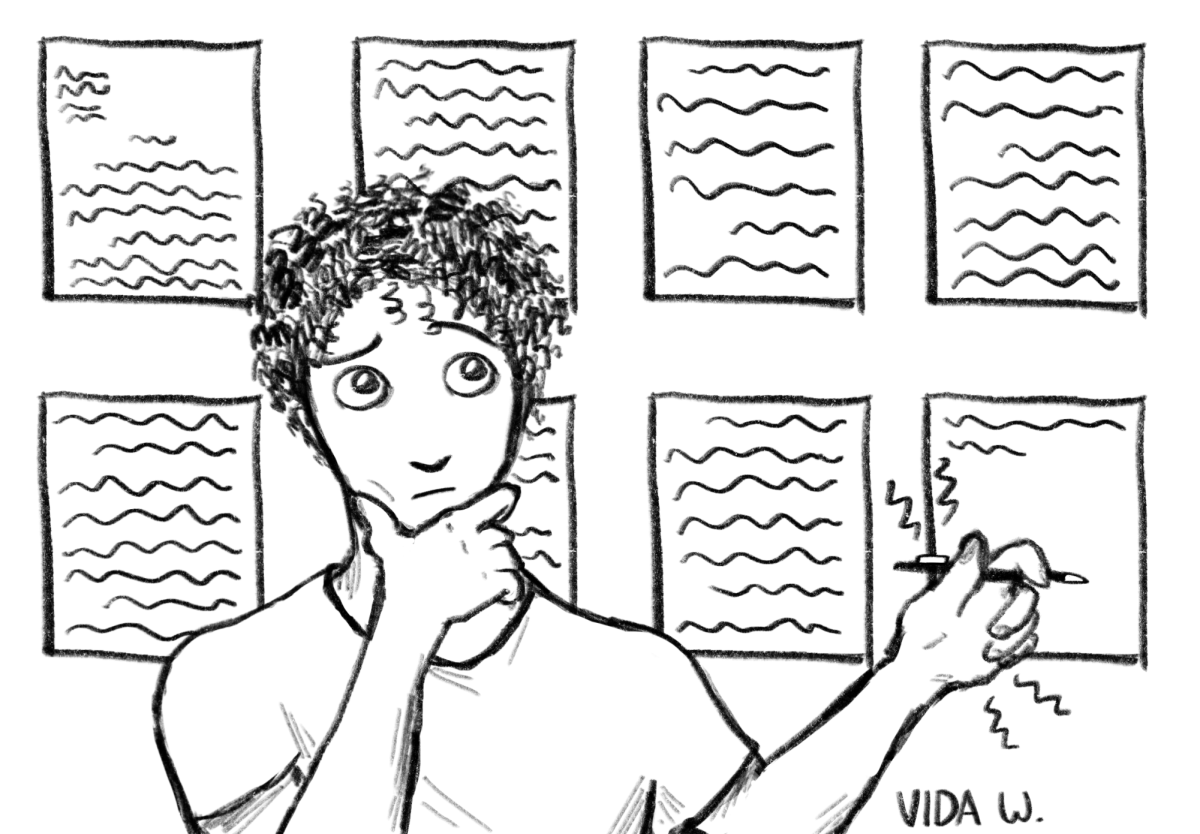
Silence also forces awareness. Without distractions, we’re left alone with our thoughts, which can oftentimes be uncomfortable. It’s easier to scroll or talk than to sit with uncertainty, boredom, or reflection. Noise gives us an excuse not to think too deeply.
Constant exposure to information has conditioned people to expect continuous input. When that input disappears, it can feel as though something is missing. Silence interrupts the rhythm of modern life, making it seem like an absence rather than a state of rest.
However, silence is not inherently negative. It allows for focus, observation, and mental clarity. Many meaningful moments depend on quiet, such as reading, learning, or simply thinking. Without silence, it becomes difficult to process information or reflect on experiences.
The discomfort surrounding silence may say more about modern habits than about silence itself. When constant noise becomes the norm, quiet begins to feel unnatural. Relearning how to sit with silence may be challenging, but it is an important skill in an increasingly noisy world.


![Graphic Artist Wolstencroft shared about her process making this graphic: “I used an app called Procreate. The first thing I did was manually remove the background from all of the [movie] posters [featured in this article]. Then I decided which color scheme I liked best...and I used gradient maps to get the colors to be uniform. I [also] added some extra shading and a background, and it was done.”](https://www.blakespectrum.org/wp-content/uploads/2026/05/0-1200x834.png)